
Interior Painting in Johns Creek, GA
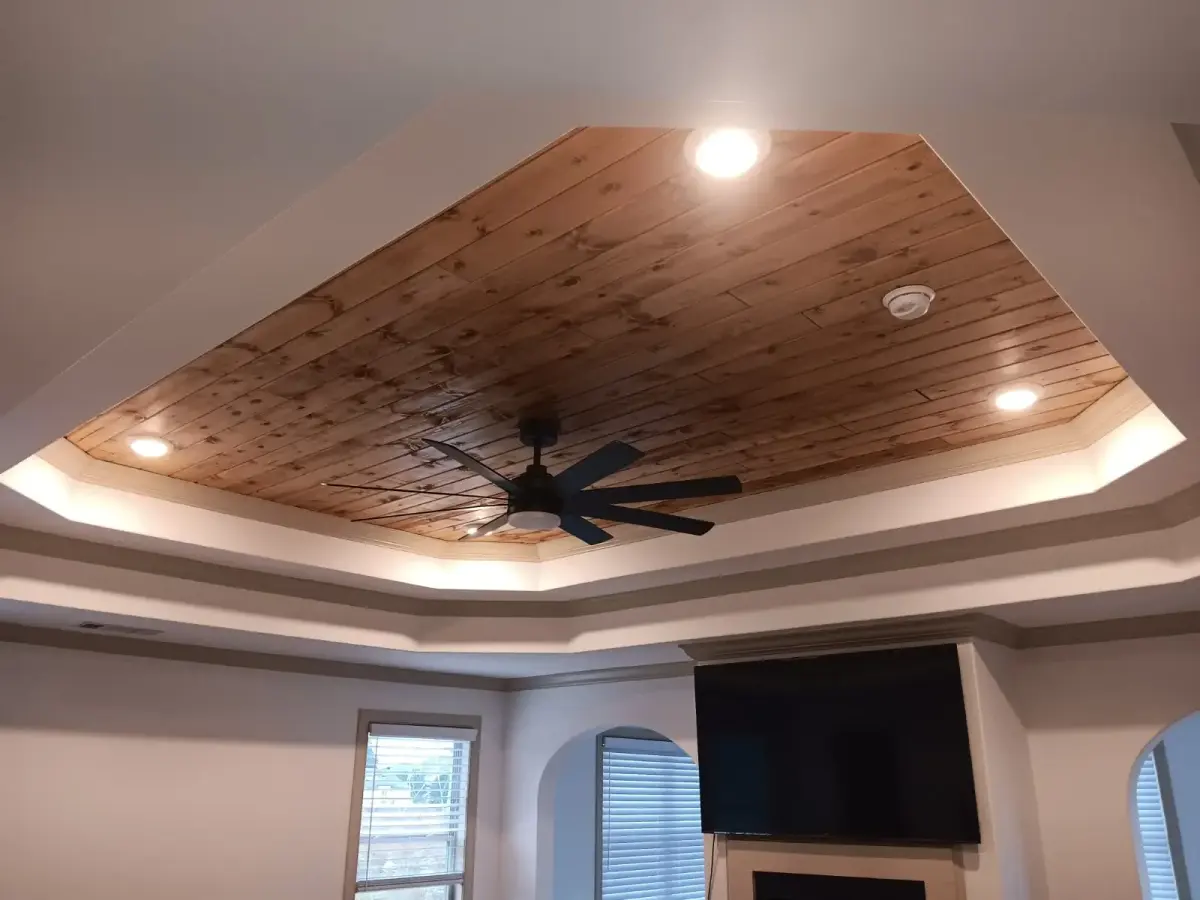
Painting the inside of a Johns Creek home means planning for height and a lot of trim. In St. Ives and Country Club of the South, two-story foyers, curved staircases, coffered ceilings and long runs of crown and wainscot need careful staging and brushwork. Seven Oaks homes have tall family rooms open to a balcony, and Rivermont's older houses bring paneling and stained trim that need the right primer. We read each room's light before choosing a sheen.
Fulton County · Johns Creek, GA
Interior Painting for Johns Creek homes
Johns Creek splits into three rough eras. Rivermont, laid out around a golf course that opened in 1973, holds the oldest subdivision housing, with homes from the mid-1970s and early 80s whose original wiring, windows and wood siding are near the end of their life. The gated golf communities came next: St. Ives, on nearly a mile of Chattahoochee frontage, went up mostly in the late 80s and early 90s, and Country Club of the South followed through the 90s. Those are large estate homes, often brick or stone with stucco sections, tall foyers, two-story family rooms and full basements. Swim-and-tennis neighborhoods such as Seven Oaks, Ammersee Lakes and River Glen are more modest, mostly brick-front houses with lap siding on the sides and back. For painting, that means a lot of tall interior walls and stairwells, plus stucco and trim that need careful repair before a coat goes on. For remodeling, it means second-generation kitchens and baths, and basement finishing in houses that are big to begin with.
Areas we work in Johns Creek
- St. Ives
- Country Club of the South
- Rivermont
- Seven Oaks
- Ammersee Lakes
- River Glen
Near Newtown Park, Autrey Mill Nature Preserve and Heritage Center, Rogers Bridge Park and across the rest of Johns Creek.
Recent interior painting work
Interior Painting on Johns Creek houses
Johns Creek interiors are big. The estate homes in St. Ives and Country Club of the South, mostly built between the late 1980s and the 90s, have two-story foyers, curved staircases, coffered or tray ceilings and long runs of crown and wainscot, and painting them is as much about access and trim work as wall area. In swim-and-tennis neighborhoods such as Seven Oaks, the houses are smaller but still have tall family rooms open to an upstairs balcony. Rivermont's 1970s and early 80s homes are lower, with paneled dens and older trim profiles that sometimes need repair before paint. Across all of them, owners usually want an even, modern finish over walls painted many times.
What usually gets missed
Tall, open rooms show every flaw in raking light from big windows, especially roller lap marks and patched spots flashing through in a different sheen. On the curved stairs and two-story walls, that means planning the staging so each wall is painted in one continuous pass. In Rivermont's older homes, paneling and stained trim often need a shellac-based primer to keep tannins from bleeding through. We look at the light in each tall room before picking a sheen.
On a Johns Creek job we check
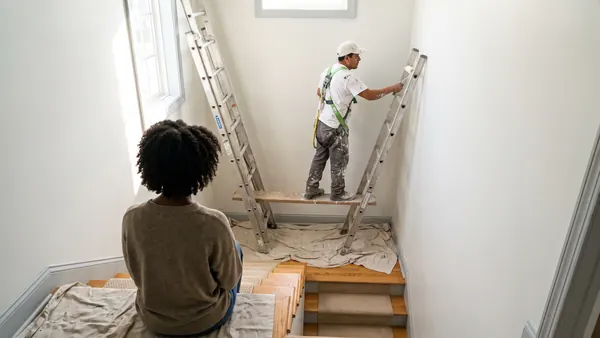
- Plan scaffolding for curved stairs and two-story walls before starting
- Prime old paneling and stained wood to stop bleed-through
- Pick sheen with the room's daylight in mind to hide wall flaws
What the job actually involves
Most of an interior paint job is prep. Holes get filled, caulk gets cut out and redone, glossy trim gets scuffed so paint will grip it. The painting itself goes fast once the walls are ready.
We use quality interior latex or acrylic paint, with a stain-blocking primer on repairs and stained spots, because primer is what stops patches and water marks from showing through the finish. Kitchens, baths and hallways get a more washable sheen than bedrooms.
How we run a interior painting job in Johns Creek
- 1
Walk the rooms and protect everything
We look at every wall in daylight and again with a work light held low, which shows dents and bad patches. Floors get rosin paper or canvas drop cloths. Furniture is moved to the center and covered, and outlets and switch plates come off.
- 2
Repair the surfaces
Nail holes and dings are filled, larger damage gets patched with setting compound, and cracked caulk at trim and tub lines is cut out. Humid summers open up joints in Georgia houses, so hairline gaps at crown and baseboards are common. Each patch is sanded flush.
- 3
Clean, spot-prime and scuff
Kitchen walls get degreased and bathroom walls get washed for mildew. Stains, patches and bare drywall are spot-primed so they do not flash through the finish coat. Previously glossy trim and doors are sanded or deglossed.
- 4
Cut in and roll the ceilings first
Ceilings go first so drips land on walls that are about to be painted anyway. Edges are brushed, then the field is rolled. Walls follow the same way, with a wet edge kept so the finish does not show lap marks.
- 5
Trim, doors and second coats
Trim is painted after walls and given time to dry between coats. Most walls need two finish coats, and the second goes on only after the first has dried per the label. In a humid house that can mean waiting longer than the can says.
- 6
Touch-up, cleanup and walkthrough
Tape comes off while the paint is still slightly soft so the edge stays clean. We look over each room in good light, touch up anything missed, put the furniture back and remove all debris. You walk the job with the crew lead before it is closed out.
What moves the price
We will not quote Johns Creek blind over the phone — these are the things we look at on site that decide the number.
- Square footage of wall and ceiling surface, not the floor area of the house. High ceilings and open stairwells add scaffold or ladder time.
- Condition of the walls. Heavy patching, old wallpaper residue or texture matching takes more labor than repainting sound drywall.
- Whether trim, doors, baseboards and crown are included. Detailed trim is slower than wall rolling.
- Color change. Going from dark to light usually needs a primer coat on top of the two finish coats.
- How much furniture needs to be moved, and whether rooms are empty or lived in.
- Paint line chosen. Premium scrubbable finishes cost more per gallon but often cover better.
From a interior painting customer
“Dan's Team did a great job on my house and it looks completely new again. … His workmanship, attention to detail and repairs exceeded expectations.”
Exterior repaint and repairs
Want a real number for your Johns Creek interior painting job?
The only way to price it honestly is to see it. We come out, walk the job and put it in writing — free, and with no obligation to book.
Call and we answer 24/7. Forms sent during the day get a call back the same day.
Interior Painting in Johns Creek — questions we get asked
- How long does it take to paint the inside of a house?
- A single room is often one to two days including prep. A whole house depends on its size and the repairs needed, but plan on days to a week or more rather than a single afternoon. We give you a schedule once we have seen the rooms.
- Do I have to move out while you paint?
- No. Most people stay. We work room by room and keep the rest of the house usable. Low-VOC paints cut the smell, and opening windows helps in mild weather. If anyone in the house is sensitive to odor, tell us up front and we will plan the order of rooms around that.
- Should I move my own furniture?
- Small items and anything breakable, yes. Take things off walls and shelves. We handle heavy furniture and cover it. Clearing the room ahead of time shortens the job.
- How soon can I hang pictures or put furniture back?
- Paint is dry to the touch in hours but takes days to cure. In Georgia humidity it is slower. We suggest waiting a few days before hanging frames or pushing furniture against walls, and about two weeks before washing the walls.
- Do you paint ceilings, trim and doors too?
- Yes. Say what you want included when we quote, because trim and doors take real time and are priced separately from walls.
Planning interior painting? Start here
- Is hiring professional painters worth it? An honest take It depends on the job, not on whether you can hold a brush. Here is where paying for it pays off, and the jobs you should keep for yourself.
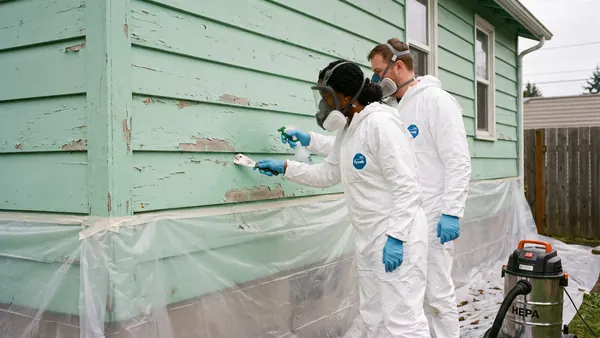
- Painting a pre-1978 house: what lead-era coatings change Why the age of the house changes the prep, not the paint — and what to ask before anyone starts sanding.
- Questions to ask a painter before you hire The questions that sort one painter from another are about prep, because prep is where corners get cut and it is invisible once the paint is on.

More in Johns Creek
Fulton County housing, neighborhoods and what we do there.
Painting & remodeling in Johns Creek →Other work in Johns Creek
- Exterior Painting in Johns Creek
- Cabinet Painting & Refinishing in Johns Creek
- Deck & Fence Staining in Johns Creek
- Commercial Painting in Johns Creek
- Drywall Repair & Patching in Johns Creek
- Kitchen Remodeling in Johns Creek
- Bathroom Remodeling in Johns Creek
- Basement Finishing in Johns Creek
- Deck & Porch Building in Johns Creek
- Siding Replacement in Johns Creek
- Flooring Installation in Johns Creek
Prefer to talk it through? Dan picks up.
(470) 419-0922