
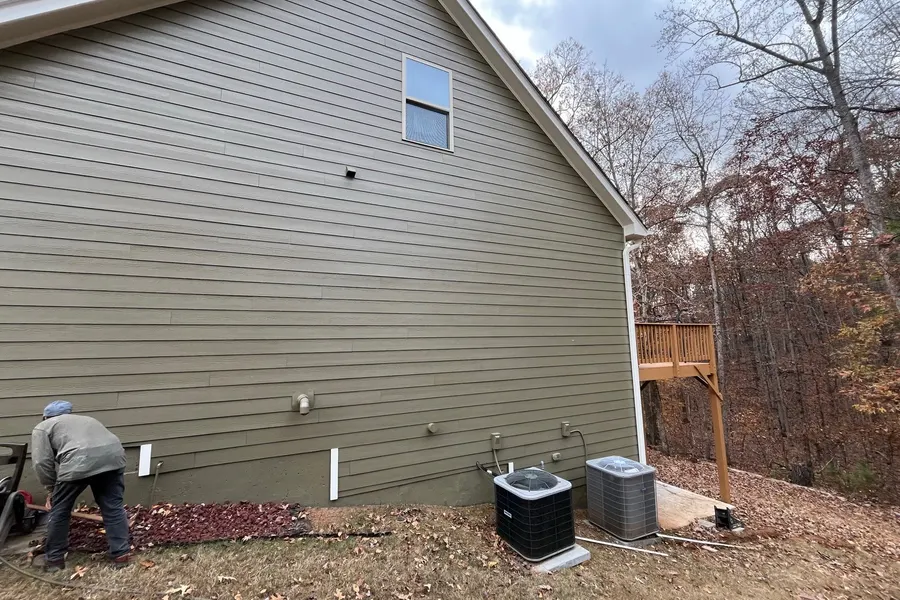
Siding Replacement in Johns Creek, GA
Johns Creek siding projects vary by neighborhood. In Rivermont, original wood or early hardboard from the 1970s and early 80s has been painted many times and is failing low on the walls. In Seven Oaks, Ammersee Lakes and River Glen, the brick fronts hide lap siding on shaded sides and rear walls. On golf-community estates, the bigger question is whether to repair stucco or move to fiber cement. We walk the full perimeter before scoping any of it.
Fulton County · Johns Creek, GA
Siding Replacement for Johns Creek homes
Johns Creek splits into three rough eras. Rivermont, laid out around a golf course that opened in 1973, holds the oldest subdivision housing, with homes from the mid-1970s and early 80s whose original wiring, windows and wood siding are near the end of their life. The gated golf communities came next: St. Ives, on nearly a mile of Chattahoochee frontage, went up mostly in the late 80s and early 90s, and Country Club of the South followed through the 90s. Those are large estate homes, often brick or stone with stucco sections, tall foyers, two-story family rooms and full basements. Swim-and-tennis neighborhoods such as Seven Oaks, Ammersee Lakes and River Glen are more modest, mostly brick-front houses with lap siding on the sides and back. For painting, that means a lot of tall interior walls and stairwells, plus stucco and trim that need careful repair before a coat goes on. For remodeling, it means second-generation kitchens and baths, and basement finishing in houses that are big to begin with.
Areas we work in Johns Creek
- St. Ives
- Country Club of the South
- Rivermont
- Seven Oaks
- Ammersee Lakes
- River Glen
Near Newtown Park, Autrey Mill Nature Preserve and Heritage Center, Rogers Bridge Park and across the rest of Johns Creek.
Recent siding replacement work
Siding Replacement on Johns Creek houses
Siding replacement in Johns Creek splits by neighborhood age. Rivermont's 1970s and early 80s homes often carry original wood or early hardboard siding that has been painted many times and is failing at the bottom courses. The swim-and-tennis houses in Seven Oaks, Ammersee Lakes and River Glen usually have brick fronts with lap siding on the sides and rear, where the bottom edges and shaded walls are the first to go. On the golf-community estates, stucco sections are common, and deciding whether to repair failed stucco or replace it with fiber cement is a bigger decision. Most replacements here move to fiber-cement lap with new trim.
What usually gets missed
Brick-front houses hide the worst wall. Owners notice the front, but the shaded back and side walls, often behind shrubs and near irrigation heads, are where the lap siding has been wet for years. We walk the full perimeter, check behind landscaping and test the sheathing at doors, windows and deck connections before scoping. On stucco, the key question is whether there is moisture damage behind it, which only probing shows.
On a Johns Creek job we check
- Walk the shaded rear and side walls behind shrubs and sprinklers
- Probe sheathing near doors, windows and deck connections
- Test stucco for hidden moisture before deciding repair or replace
What the job actually involves
Siding is a weather barrier, and what sits behind it matters as much as what you see. Replacement is the chance to find and fix hidden water damage, flash windows properly, and put the wall back together right.
We use a lapped weather barrier, metal and tape flashing at openings, and corrosion-resistant fasteners, because siding itself only works as part of that water-shedding system behind it.
How we run a siding replacement job in Johns Creek
- 1
Inspect and choose material
We check the existing siding, sheathing and trim for rot, moisture and insect damage, and talk through options: vinyl, fiber cement, engineered wood and others. Each has different costs, upkeep and installation needs.
- 2
Remove old siding and check the wall
Old siding comes off and we look at the sheathing underneath. Rotted sheathing and framing are replaced. This is where hidden water damage turns up, often around windows and below roof lines.
- 3
Install weather barrier and flashing
House wrap or building paper goes on, lapped so water sheds outward. Windows, doors and penetrations are flashed with tape and metal, which is the detail that keeps water out for the long run.
- 4
Hang siding
Siding goes up from the bottom, level, with the manufacturer's nailing and gap requirements followed. Vinyl needs room to expand in Georgia summer heat, so it is not nailed tight. Fiber cement is cut with proper dust control.
- 5
Trim, corners and sealing
Corner boards, window and door trim, and soffit and fascia details are installed and caulked with the right sealant. Fiber cement and wood are primed and painted.
- 6
Cleanup and walkthrough
Old siding, nails and scraps are hauled off, and we run a magnet over the yard for nails. We walk the house with you before closing out.
What moves the price
We will not quote Johns Creek blind over the phone — these are the things we look at on site that decide the number.
- House size and number of stories, including gables.
- Siding material and trim package.
- Sheathing or framing repairs discovered after removal.
- Number of windows, doors and architectural details to flash and trim around.
- Whether soffit, fascia, gutters or insulation are included.
- Painting, if the material is not factory-finished.
From a siding replacement customer
“As an interior designer, my focus is quality of work for my clients. … I especially appreciate suggestions for a course correction on my plan that resulted not only in cost savings but in a much more pleasing and functional result.”
Interior design partnership
Want a real number for your Johns Creek siding replacement job?
The only way to price it honestly is to see it. We come out, walk the job and put it in writing — free, and with no obligation to book.
Call and we answer 24/7. Forms sent during the day get a call back the same day.
Siding Replacement in Johns Creek — questions we get asked
- How long does siding replacement take?
- A typical house takes about one to three weeks of work, depending on size, material and weather. Rot repair or complex trim can extend it.
- Will I be able to stay in the house?
- Yes. It is noisy outside, and we keep walls closed up each day so the house is weathertight at night.
- Which siding holds up best in Georgia?
- Fiber cement and quality vinyl both do well. Humidity, sun and termites matter in the choice. We explain the tradeoffs and what upkeep each needs.
- Do I need a permit?
- In some jurisdictions yes. We tell you what applies to your address.
- Can you just fix damaged sections?
- Sometimes. If the damage is limited and a match is available, a repair can make sense. If the siding is aging across the house, replacement is often the better call.
Planning siding replacement? Start here
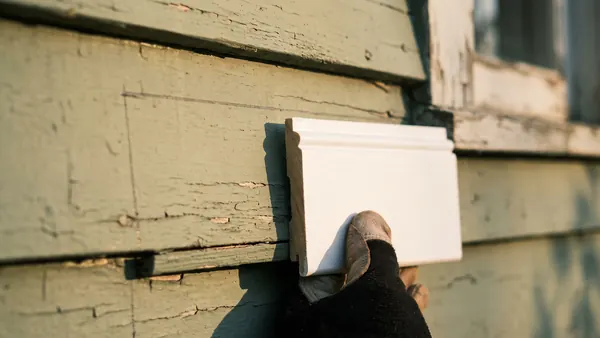
- Siding repair or full replacement: how to decide The decision comes down to whether the material itself is still sound and whether you can match what is already on the wall.
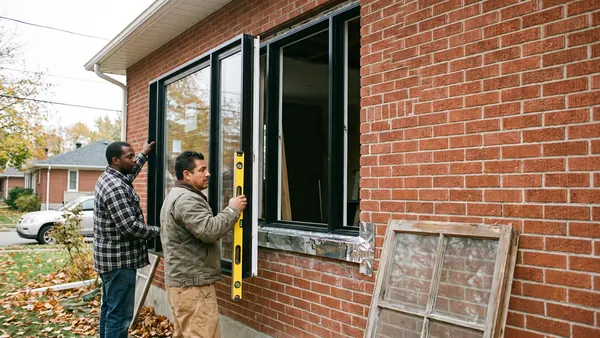
- Replacing windows: full-frame or insert, and what else matters The full-frame versus insert choice drives the whole job; after that, matching the house and flashing the sill matter more than the brand.
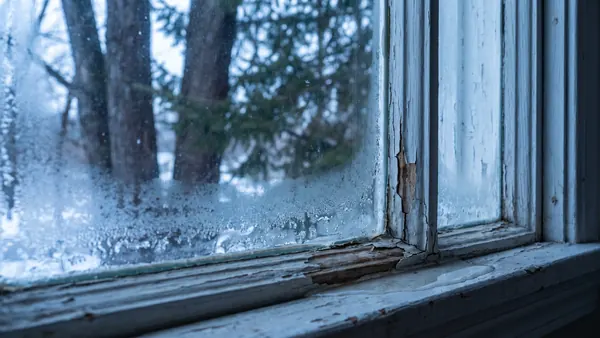
- Will new windows actually lower your energy bills? New windows rarely pay for themselves on bills alone; what they reliably change is comfort, condensation and whether the sash still works.
More in Johns Creek
Fulton County housing, neighborhoods and what we do there.
Painting & remodeling in Johns Creek →Other work in Johns Creek
- Interior Painting in Johns Creek
- Exterior Painting in Johns Creek
- Cabinet Painting & Refinishing in Johns Creek
- Deck & Fence Staining in Johns Creek
- Commercial Painting in Johns Creek
- Drywall Repair & Patching in Johns Creek
- Kitchen Remodeling in Johns Creek
- Bathroom Remodeling in Johns Creek
- Basement Finishing in Johns Creek
- Deck & Porch Building in Johns Creek
- Flooring Installation in Johns Creek
Prefer to talk it through? Dan picks up.
(470) 419-0922