
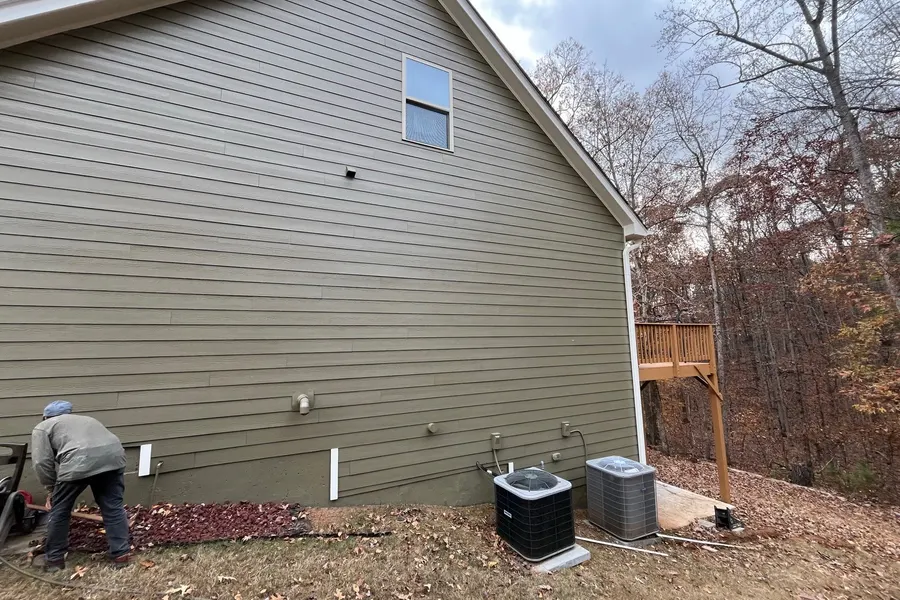
Siding Replacement in Sugar Hill, GA
In Sugar Hill neighborhoods like Parkview East, Sugar Crossing and Lenox Park, a lot of 1990s houses are still on their original lap siding, and much of it is cracking and swelling at the bottom courses. With little or no brick on many of these homes, replacement is often a whole-house job, usually in fiber cement. Close-set lots and narrow side yards mean access and debris handling get planned up front, along with checks on the sheathing and wrap.
Gwinnett County · Sugar Hill, GA
Siding Replacement for Sugar Hill homes
Very little of Sugar Hill predates 1980. The subdivision era starts around 1990: Parkview East went up between 1990 and 1992, Sugar Crossing through the early and mid 90s, and Lenox Park and Glens of Sugar Hill at the end of the decade. Princeton Oaks was built in phases from the late 1980s into the 2010s, so neighbors on the same street can own houses twenty years apart. Newer infill such as Old Suwanee Enclave arrived around 2018, and the downtown and Peachtree Industrial corridors now carry three-story townhomes like Skyview on Broad and Park Ridge. The 1990s houses run smaller than their Forsyth neighbors, many of them two-story or split-foyer plans on rolling lots, and a good share step down to a basement. Their original siding, trim, windows and decks have reached replacement age at roughly the same time. The newer townhomes raise a different set of jobs, mainly interior painting in tall stairwells and finishing the details builders left plain.
Areas we work in Sugar Hill
- Parkview East
- Sugar Crossing
- Lenox Park
- Glens of Sugar Hill
- Princeton Oaks
- Skyview on Broad
Near E Center, The Bowl at Sugar Hill, Gary Pirkle Park and across the rest of Sugar Hill.
Recent siding replacement work
Siding Replacement on Sugar Hill houses
Siding replacement is one of the biggest exterior jobs in Sugar Hill's 1990s neighborhoods, because so many houses in Parkview East, Sugar Crossing and Lenox Park went up with original lap siding that is now swelling, cracking and failing at the bottom courses. Many have little or no brick, so replacement means re-siding the whole house rather than just the sides and back. Fiber cement is the usual choice. On these close-set lots, crews have to work in narrow side yards, and planning access and debris handling is part of the job.
What usually gets missed
Behind thirty-year-old siding, the sheathing is often damaged around windows, doors and the bottom of the wall, and the original house wrap may be missing or torn. Covering that with new siding hides rot that keeps spreading. We open up the siding beside a window and along the bottom course, look at the sheathing and wrap, and flash every opening before the new boards go on.
On a Sugar Hill job we check
- Open the siding at one window and along the bottom course first
- Replace damaged sheathing and missing wrap before new siding
- Plan access and debris handling for narrow side yards
What the job actually involves
Siding is a weather barrier, and what sits behind it matters as much as what you see. Replacement is the chance to find and fix hidden water damage, flash windows properly, and put the wall back together right.
We use a lapped weather barrier, metal and tape flashing at openings, and corrosion-resistant fasteners, because siding itself only works as part of that water-shedding system behind it.
How we run a siding replacement job in Sugar Hill
- 1
Inspect and choose material
We check the existing siding, sheathing and trim for rot, moisture and insect damage, and talk through options: vinyl, fiber cement, engineered wood and others. Each has different costs, upkeep and installation needs.
- 2
Remove old siding and check the wall
Old siding comes off and we look at the sheathing underneath. Rotted sheathing and framing are replaced. This is where hidden water damage turns up, often around windows and below roof lines.
- 3
Install weather barrier and flashing
House wrap or building paper goes on, lapped so water sheds outward. Windows, doors and penetrations are flashed with tape and metal, which is the detail that keeps water out for the long run.
- 4
Hang siding
Siding goes up from the bottom, level, with the manufacturer's nailing and gap requirements followed. Vinyl needs room to expand in Georgia summer heat, so it is not nailed tight. Fiber cement is cut with proper dust control.
- 5
Trim, corners and sealing
Corner boards, window and door trim, and soffit and fascia details are installed and caulked with the right sealant. Fiber cement and wood are primed and painted.
- 6
Cleanup and walkthrough
Old siding, nails and scraps are hauled off, and we run a magnet over the yard for nails. We walk the house with you before closing out.
What moves the price
We will not quote Sugar Hill blind over the phone — these are the things we look at on site that decide the number.
- House size and number of stories, including gables.
- Siding material and trim package.
- Sheathing or framing repairs discovered after removal.
- Number of windows, doors and architectural details to flash and trim around.
- Whether soffit, fascia, gutters or insulation are included.
- Painting, if the material is not factory-finished.
From a siding replacement customer
“We’ve been working with WS Painting and Remodeling after two leaks in our home, and they’ve been fantastic. … The quality of their work has been outstanding and made a stressful situation much easier.”
Leak repairs
Want a real number for your Sugar Hill siding replacement job?
The only way to price it honestly is to see it. We come out, walk the job and put it in writing — free, and with no obligation to book.
Call and we answer 24/7. Forms sent during the day get a call back the same day.
Siding Replacement in Sugar Hill — questions we get asked
- How long does siding replacement take?
- A typical house takes about one to three weeks of work, depending on size, material and weather. Rot repair or complex trim can extend it.
- Will I be able to stay in the house?
- Yes. It is noisy outside, and we keep walls closed up each day so the house is weathertight at night.
- Which siding holds up best in Georgia?
- Fiber cement and quality vinyl both do well. Humidity, sun and termites matter in the choice. We explain the tradeoffs and what upkeep each needs.
- Do I need a permit?
- In some jurisdictions yes. We tell you what applies to your address.
- Can you just fix damaged sections?
- Sometimes. If the damage is limited and a match is available, a repair can make sense. If the siding is aging across the house, replacement is often the better call.
Planning siding replacement? Start here
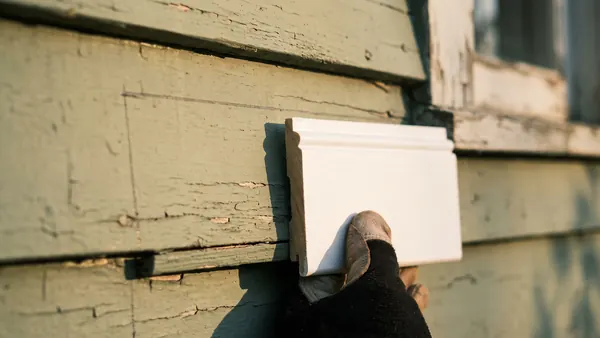
- Siding repair or full replacement: how to decide The decision comes down to whether the material itself is still sound and whether you can match what is already on the wall.
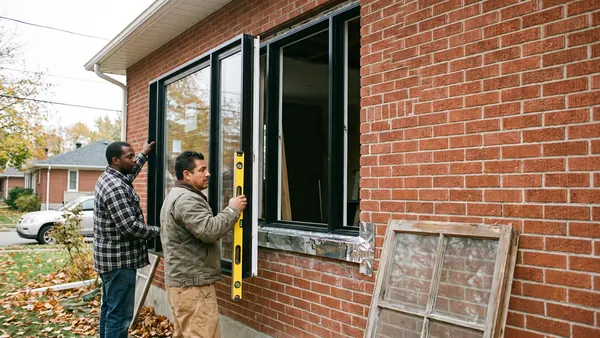
- Replacing windows: full-frame or insert, and what else matters The full-frame versus insert choice drives the whole job; after that, matching the house and flashing the sill matter more than the brand.
- Will new windows actually lower your energy bills? New windows rarely pay for themselves on bills alone; what they reliably change is comfort, condensation and whether the sash still works.

More in Sugar Hill
Gwinnett County housing, neighborhoods and what we do there.
Painting & remodeling in Sugar Hill →Other work in Sugar Hill
- Interior Painting in Sugar Hill
- Exterior Painting in Sugar Hill
- Cabinet Painting & Refinishing in Sugar Hill
- Deck & Fence Staining in Sugar Hill
- Commercial Painting in Sugar Hill
- Drywall Repair & Patching in Sugar Hill
- Kitchen Remodeling in Sugar Hill
- Bathroom Remodeling in Sugar Hill
- Basement Finishing in Sugar Hill
- Deck & Porch Building in Sugar Hill
- Flooring Installation in Sugar Hill
Prefer to talk it through? Dan picks up.
(470) 419-0922