
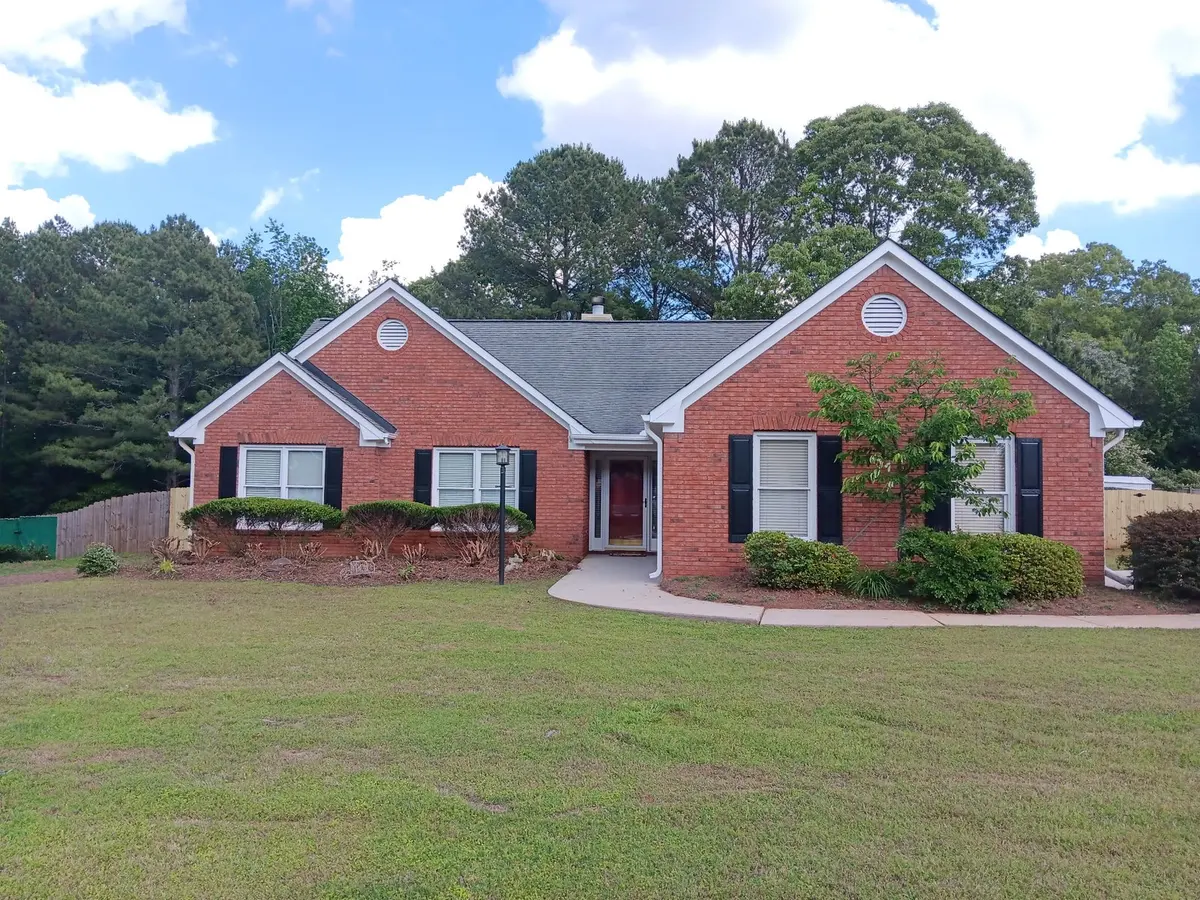
Exterior Painting in Sugar Hill, GA
Thinking about repainting a 1990s house in Sugar Hill? In Parkview East, Sugar Crossing and Lenox Park, most homes are lap siding with wood trim and little or no brick, so the paint covers nearly every wall. At this age, some of that siding and trim has to be replaced before it will hold a coat, especially on the shaded sides. We walk the whole house and spell out in the bid how many boards need replacing.
Gwinnett County · Sugar Hill, GA
Exterior Painting for Sugar Hill homes
Very little of Sugar Hill predates 1980. The subdivision era starts around 1990: Parkview East went up between 1990 and 1992, Sugar Crossing through the early and mid 90s, and Lenox Park and Glens of Sugar Hill at the end of the decade. Princeton Oaks was built in phases from the late 1980s into the 2010s, so neighbors on the same street can own houses twenty years apart. Newer infill such as Old Suwanee Enclave arrived around 2018, and the downtown and Peachtree Industrial corridors now carry three-story townhomes like Skyview on Broad and Park Ridge. The 1990s houses run smaller than their Forsyth neighbors, many of them two-story or split-foyer plans on rolling lots, and a good share step down to a basement. Their original siding, trim, windows and decks have reached replacement age at roughly the same time. The newer townhomes raise a different set of jobs, mainly interior painting in tall stairwells and finishing the details builders left plain.
Areas we work in Sugar Hill
- Parkview East
- Sugar Crossing
- Lenox Park
- Glens of Sugar Hill
- Princeton Oaks
- Skyview on Broad
Near E Center, The Bowl at Sugar Hill, Gary Pirkle Park and across the rest of Sugar Hill.
Recent exterior painting work
Exterior Painting on Sugar Hill houses
The exteriors in Sugar Hill's 1990s neighborhoods, Parkview East, Sugar Crossing and Lenox Park among them, are mostly lap siding with a partial brick front or no masonry at all, and wood trim everywhere. At thirty-some years, a lot of that original siding is past the point where paint alone saves it, especially on the sides and back where gutters spill and sprinklers hit. These houses sit close together on rolling lots, so the shaded walls facing the neighbor stay damp and mildewed. An exterior repaint here usually includes replacing a share of boards and trim before the paint goes on, and the bid should say how much.
What usually gets missed
The giveaway is wavy bottom courses and swollen board ends on the shaded side of the house. Painting over that seals in moisture and peels within a couple of seasons. On houses with no brick front, every wall is siding, so the scope can double from what a quick look suggests. We walk every elevation, probe the bottom courses and window trim, and mark the boards to replace before writing a price.
On a Sugar Hill job we check
- Probe bottom siding courses and window trim on the shaded sides
- Mark boards that need replacing before quoting the repaint
- Wash off mildew and let walls dry fully before any primer
What the job actually involves
Exterior paint fails from the outside in: sun, rain, mildew and wood that moves. In west Georgia the work is mostly about drying the house out, stripping what has lifted and sealing every joint before a drop of finish goes on.
We use exterior acrylic paint rated for sun and moisture, an exterior primer on bare or repaired wood, and elastomeric or high-quality paintable caulk at joints, because the caulk and primer do most of the work keeping water out in a humid climate.
How we run a exterior painting job in Sugar Hill
- 1
Inspect for rot, moisture and failing paint
We probe soft spots in trim, fascia, sills and the bottoms of siding boards, check caulk lines and look at where gutters have been overflowing. Rot gets replaced or repaired before painting. Painting over it just hides it for a season.
- 2
Wash the house
Mildew, pollen film and chalking are washed off with a low-pressure rinse and a cleaner. High pressure drives water behind siding, so we avoid it on wood. The house then needs to dry fully, often a day or more in summer humidity.
- 3
Scrape, sand and spot-prime
Loose and peeling paint is scraped back to a sound edge and feathered by sanding. Bare wood and patched areas get an exterior primer. On older homes, lead-safe work practices apply to paint disturbed before 1978.
- 4
Caulk and repair
Gaps at trim, corners and window and door casings are caulked with a paintable exterior sealant. Nail holes and splits are filled. We do not caulk the bottom of lap siding, which has to breathe.
- 5
Paint in the right weather
Two coats go on, brushed and rolled or sprayed and back-rolled, with trim last. We watch the forecast and the sun. Painting in direct heat makes paint dry too fast, and painting before the dew burns off or ahead of rain ruins the film.
- 6
Final walkthrough and cleanup
We check for holidays, drips and missed spots, remove masking, and clean the yard and driveway of debris. Plants and shrubs that were covered are uncovered.
What moves the price
We will not quote Sugar Hill blind over the phone — these are the things we look at on site that decide the number.
- Size and height of the house. Two-story homes and steep gables need ladders or lifts and take more labor.
- Siding material: wood, fiber cement, brick, vinyl and stucco each need different prep and paint.
- Rot repair. Replacing trim boards and fascia adds carpentry before any painting happens.
- Condition of the existing paint. Heavy peeling or many layers means more scraping and sanding.
- How much gets painted: body only, or trim, soffits, shutters, doors, garage door and railings too.
- Access issues such as dense landscaping, slopes or close neighbors that affect staging and masking.
From a exterior painting customer
“The entire inside of my home was gutted and remodeled. … When the home would give us unexpected surprises, Dan would calm me down and give me several options. … The workmanship is impeccable!!”
Whole-interior remodel, exterior trim
Want a real number for your Sugar Hill exterior painting job?
The only way to price it honestly is to see it. We come out, walk the job and put it in writing — free, and with no obligation to book.
Call and we answer 24/7. Forms sent during the day get a call back the same day.
Exterior Painting in Sugar Hill — questions we get asked
- What time of year is best to paint a house exterior in Georgia?
- Spring and fall, when it is mild and dry. Summer works too if we paint the shaded sides in the afternoon and the sunny sides early, but heat shortens drying time and storms interrupt. Pollen season in spring can dust wet paint, so we wash and schedule around the worst days.
- How long does exterior painting take?
- A typical house takes several days to over a week, counting washing, drying time, repair and two coats. Weather can add days. We tell you plainly when rain pushes the schedule.
- Will painting disrupt my day?
- Some. There are ladders, noise from scraping and sometimes spraying, and we may ask you to park elsewhere or keep windows shut. We do not need you to leave the house, and we keep people and pets away from wet areas.
- How long will the paint last?
- It depends on prep, the surface and how much sun that side of the house gets. South and west walls wear fastest. Good prep matters more than the brand of paint.
- Do you fix rotted wood before painting?
- Yes. We replace or repair rotted trim and fascia first, and we point out hidden damage we find so you can decide. Rot that keeps getting wet will fail again unless the water source is fixed.
Planning exterior painting? Start here
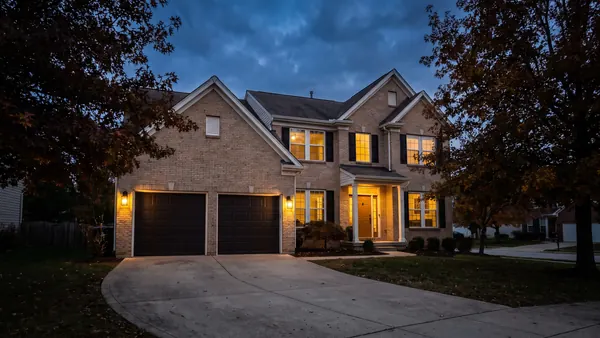
- What changes your home's look most, dollar for dollar The street reads a house in an order, and spending where attention lands beats spending where the square footage is. Here is the ranking.
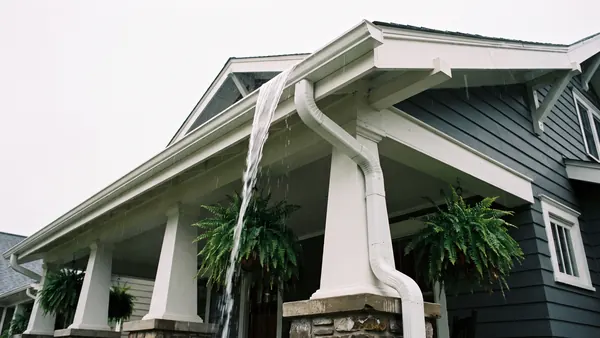
- Exterior upgrades that are worth the money The improvements that pay off fix how the house sheds water and how it reads from the street at the same time. Here is where to spend and where not to.
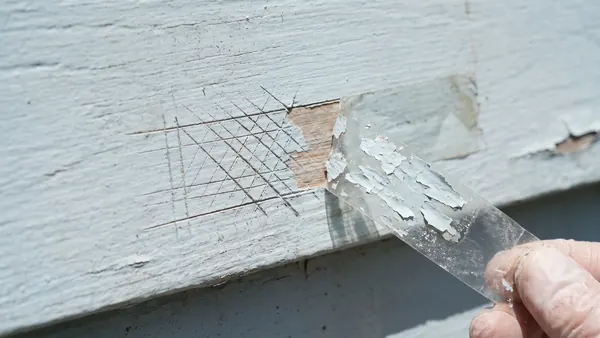
- What great house painters do that average ones skip You can tell a great exterior painter from an average one before any paint is opened, by how they handle the estimate and whether they read the surface.
More in Sugar Hill
Gwinnett County housing, neighborhoods and what we do there.
Painting & remodeling in Sugar Hill →Other work in Sugar Hill
- Interior Painting in Sugar Hill
- Cabinet Painting & Refinishing in Sugar Hill
- Deck & Fence Staining in Sugar Hill
- Commercial Painting in Sugar Hill
- Drywall Repair & Patching in Sugar Hill
- Kitchen Remodeling in Sugar Hill
- Bathroom Remodeling in Sugar Hill
- Basement Finishing in Sugar Hill
- Deck & Porch Building in Sugar Hill
- Siding Replacement in Sugar Hill
- Flooring Installation in Sugar Hill
Prefer to talk it through? Dan picks up.
(470) 419-0922