
Deck & Fence Staining in Vinings, GA
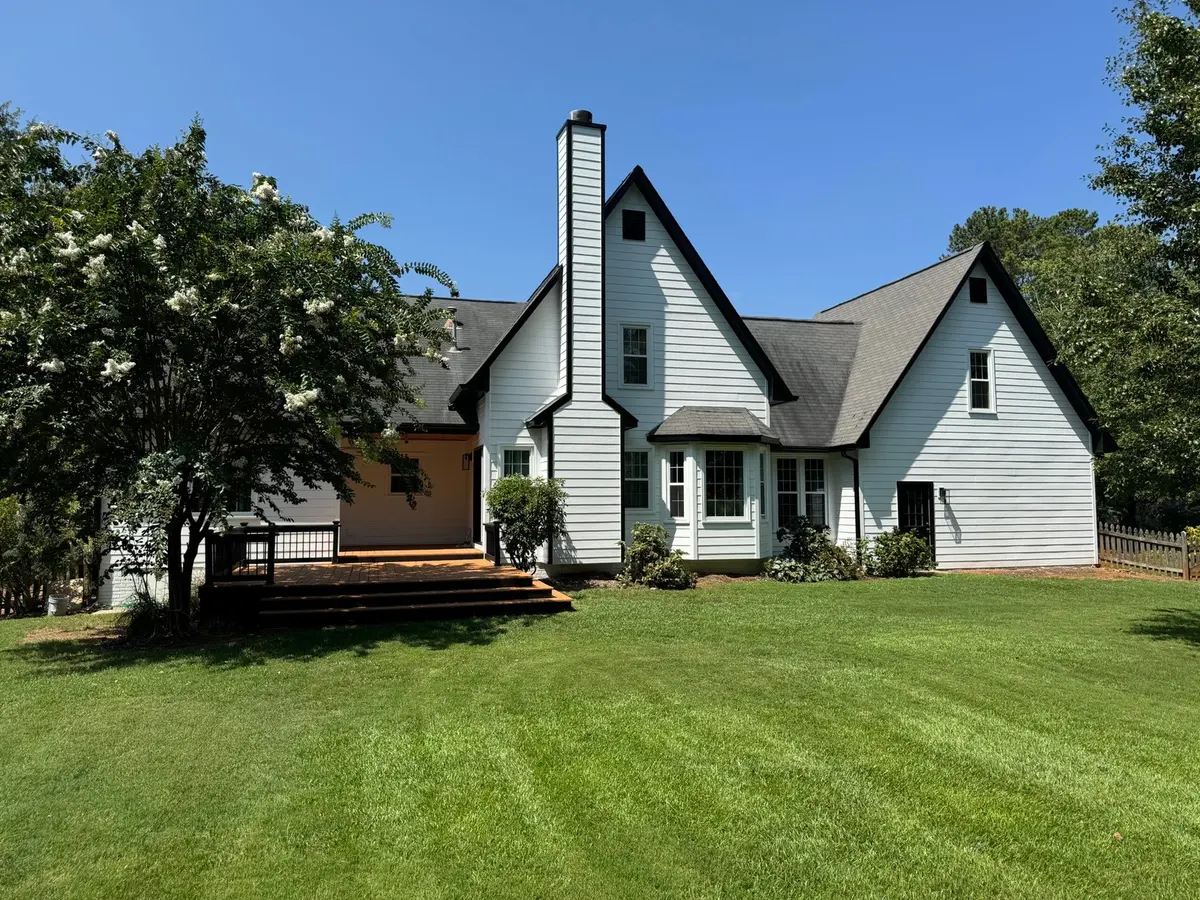
On a Vinings hillside, a deck can stand a full story above the yard and step down two or three levels, with long stairs and a lot of railing to coat. Hardwood shade and damp river air keep cedar and pine wet and feed mildew and algae. Homeowners here usually want every level and rail to match, so the job covers outer rails, stringers and undersides, and each level is checked for moisture first.
Cobb County · Vinings, GA
Deck & Fence Staining for Vinings homes
The stock sorts into three bands, and every one of them runs to remodeling rather than repainting. Around the Old Vinings village core sit genuinely old houses — white clapboard and weatherboard cottages and craftsman bungalows from the late 1800s into the early 1900s, with wood sash, deep trim and plaster that need real carpentry and careful prep before any finish coat. The bulk is established single-family: large 1960s homes on wooded lots and 1970s-through-90s traditional houses and contemporary manors in brick and cedar, on hilly ground where daylight and walkout basements make basement finishing a standard job and decks step down the slope in multiple levels rather than sitting flat off the back. On the river side and up on Vinings Mountain the newer custom and luxury homes raise the spec again — finish carpentry, custom cabinetry, and cedar or fiber-cement siding and outdoor-living work, with moisture a real factor on the wooded riverfront lots.
Areas we work in Vinings
- Vinings Village
- Paces Ferry Heights
- Courtyards of Vinings
- Olde Vinings Mill
- One Vinings Mountain
- Highlands at Vinings
Near Vinings Jubilee, Pace House, Mount Wilkinson and across the rest of Vinings.
Recent deck & fence staining work
Deck & Fence Staining on Vinings houses
Decks in Vinings tend to be big, tall and shaded. The hilly lots mean the deck off the main floor often sits a full story or more above the yard, sometimes stepping down in two or three levels toward a walkout, with long stair runs and a lot of railing and balusters. Many are cedar or pressure-treated pine under a heavy canopy of hardwoods, and on the river side the air stays damp. That shade keeps boards wet, feeds mildew and black algae in the grain, and leaves the undersides and lower levels holding moisture far longer than the top deck. Owners here usually want a consistent finish on every level and rail, which on a tall deck means real access work.
What usually gets missed
The miss on a tall Vinings deck is finishing what can be reached from the deck surface and leaving the outside of the rails, the stair stringers and the undersides of the upper level patchy or bare. Those are the parts visible from the yard and the lower levels. The other mistake is staining canopy-shaded boards too soon after washing. Under the trees, wood can stay wet for days, and stain over damp cedar sits on top and peels. Moisture gets checked on every level before coating.
On a Vinings job we check
- Plan access to stain outer rails and stringers on tall decks
- Meter shaded boards on each level before applying stain
- Treat black algae and mildew in canopy-shaded cedar first
What the job actually involves
In Georgia, a wood deck or fence takes sun, rain, pollen and mildew all year. Stain only lasts if the wood is clean, dry and open enough to absorb it.
We use a penetrating exterior wood stain with UV and mildew resistance, plus a wood cleaner and brightener beforehand, because a stain applied over dirty or damp wood fails early.
How we run a deck & fence staining job in Vinings
- 1
Inspect and repair
We check for loose boards, popped nails, rotted rails, wobbly posts and splintered edges. Screws replace failing nails. Bad boards are flagged for replacement because stain will not fix structural problems.
- 2
Clean and strip
Mildew, dirt and the old failing finish are removed with a wood cleaner or stripper and a controlled wash. Too much pressure fuzzes the wood and gouges soft boards, so we keep it moderate and follow the grain.
- 3
Brighten and let it dry
A wood brightener evens out the color and restores pH after stripping. The wood then has to dry before staining. That is often a couple of days, longer after rain or in humid stretches. Staining damp wood traps moisture and causes peeling.
- 4
Sand rough spots
Handrails, steps and splintery boards are sanded smooth. Fresh sanding opens the grain so stain soaks in evenly.
- 5
Apply stain
Stain goes on with a sprayer, brush or pad, worked into the grain and back-brushed so it does not pool. Boards are done full length to avoid lap marks, usually one coat of penetrating stain or two thin ones depending on the product.
- 6
Cure and cleanup
We keep traffic off until it is dry to the touch, typically a day, and longer for full cure. Overspray on siding, concrete and plants is cleaned or masked ahead of time.
What moves the price
We will not quote Vinings blind over the phone — these are the things we look at on site that decide the number.
- Total square footage of deck surface and rails, or linear feet and height of fence.
- Existing finish. Old solid stain or paint takes more stripping than a bare or lightly weathered surface.
- Condition of the wood, including how much sanding and board replacement is needed.
- Stain type: clear sealer, semi-transparent, or solid color.
- Ground-level versus elevated work, and details like spindles that take more brushwork than flat boards.
- Whether both sides of a fence are done.
From a deck & fence staining customer
“It is very important to find people who do what they say and show up when they say they will. The paint job is top quality with top quality workmanship and paint. We are very pleased with the results.”
Painting
Want a real number for your Vinings deck & fence staining job?
The only way to price it honestly is to see it. We come out, walk the job and put it in writing — free, and with no obligation to book.
Call and we answer 24/7. Forms sent during the day get a call back the same day.
Deck & Fence Staining in Vinings — questions we get asked
- How often does a deck or fence need restaining in Georgia?
- It varies with the product and sun exposure. Horizontal surfaces like deck floors wear fastest. If water no longer beads on the wood, it is time to restain.
- How long is the deck off limits?
- Plan on a few days around the work, mostly drying time. Foot traffic can usually return in a day after staining, with furniture waiting a bit longer.
- Can you stain over old stain?
- Sometimes. If the old finish is intact and the new stain is compatible, yes. If it is peeling, it has to come off first.
- What if it rains?
- We postpone. Stain needs dry wood and dry weather for several hours afterward. Summer storms in the afternoon often shape our schedule.
- Do I need to move my plants and grill?
- Yes, please clear furniture and move potted plants. We cover nearby shrubs and the house siding.
More in Vinings
Cobb County housing, neighborhoods and what we do there.
Painting & remodeling in Vinings →Other work in Vinings
- Interior Painting in Vinings
- Exterior Painting in Vinings
- Cabinet Painting & Refinishing in Vinings
- Commercial Painting in Vinings
- Drywall Repair & Patching in Vinings
- Kitchen Remodeling in Vinings
- Bathroom Remodeling in Vinings
- Basement Finishing in Vinings
- Deck & Porch Building in Vinings
- Siding Replacement in Vinings
- Flooring Installation in Vinings
Prefer to talk it through? Dan picks up.
(470) 419-0922