
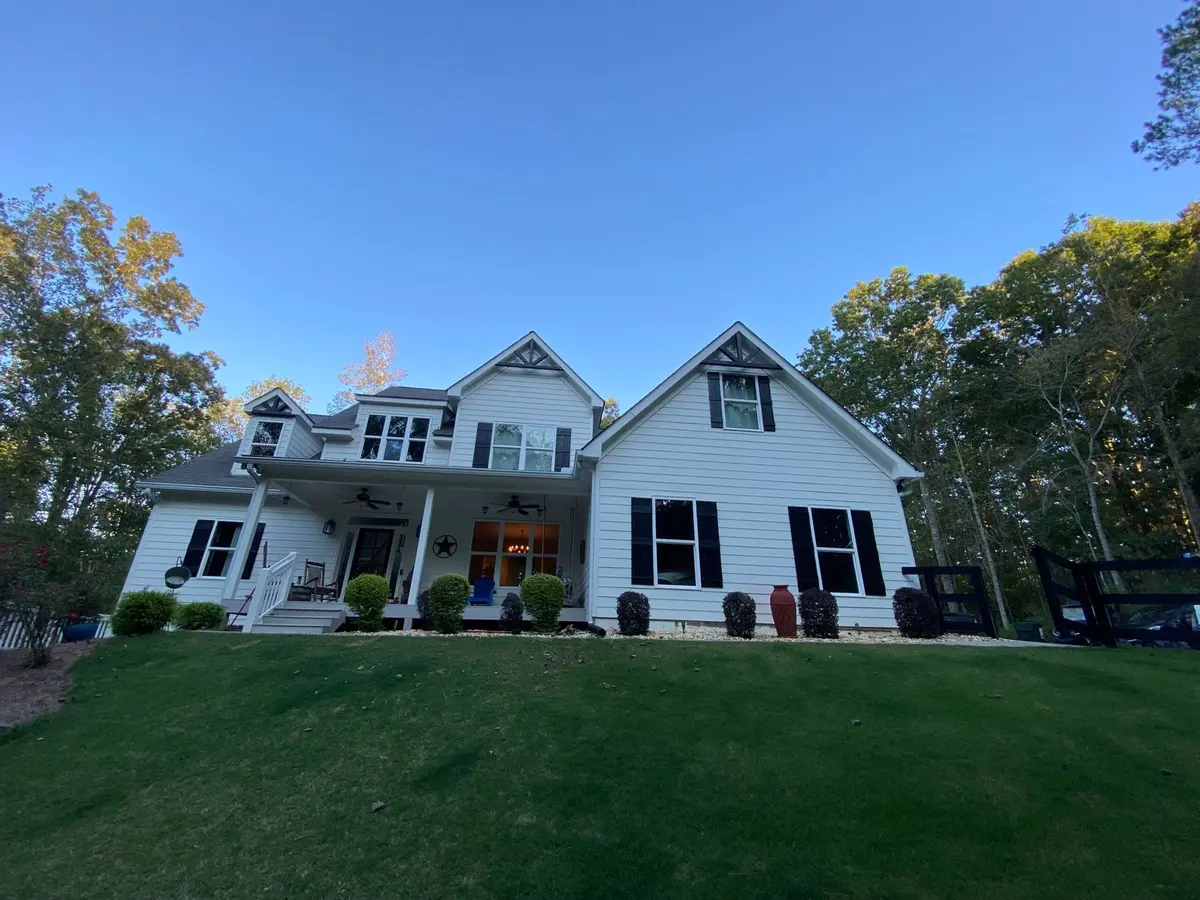
Exterior Painting in Vinings, GA
Painting the outside of a Vinings home starts with what it is made of: brick with wood trim, cedar on the contemporaries, or old clapboard and sash near Vinings Village. Each takes a different approach, and stained cedar raises a real choice between staying with stain or moving to paint. Tall hardwoods and pines keep many lots shaded and damp, so we plan prep and timing around mildew and drying rather than a fixed date.
Cobb County · Vinings, GA
Exterior Painting for Vinings homes
The stock sorts into three bands, and every one of them runs to remodeling rather than repainting. Around the Old Vinings village core sit genuinely old houses — white clapboard and weatherboard cottages and craftsman bungalows from the late 1800s into the early 1900s, with wood sash, deep trim and plaster that need real carpentry and careful prep before any finish coat. The bulk is established single-family: large 1960s homes on wooded lots and 1970s-through-90s traditional houses and contemporary manors in brick and cedar, on hilly ground where daylight and walkout basements make basement finishing a standard job and decks step down the slope in multiple levels rather than sitting flat off the back. On the river side and up on Vinings Mountain the newer custom and luxury homes raise the spec again — finish carpentry, custom cabinetry, and cedar or fiber-cement siding and outdoor-living work, with moisture a real factor on the wooded riverfront lots.
Areas we work in Vinings
- Vinings Village
- Paces Ferry Heights
- Courtyards of Vinings
- Olde Vinings Mill
- One Vinings Mountain
- Highlands at Vinings
Near Vinings Jubilee, Pace House, Mount Wilkinson and across the rest of Vinings.
Recent exterior painting work
Exterior Painting on Vinings houses
Vinings exteriors split between brick, cedar and old clapboard. Many of the 1970s-through-90s traditional houses are brick with painted wood trim, shutters, soffits and fascia, so the painting there is trim and accents. The contemporaries carry cedar lap, board-and-batten or vertical siding, which may be stained rather than painted, and switching from one to the other is a real decision. Around Vinings Village the old clapboard cottages and the area's 1800s houses have wood siding and sash with layers of old paint. The constant across all of it is the setting: tall hardwoods and pines on hilly lots, with shade, leaf litter and moisture coming up off the river side, so mildew and slow drying shape the schedule.
What usually gets missed
The cedar question is where Vinings jobs go wrong. Cedar that has been stained for years cannot simply be painted over without proper cleaning and a stain-blocking primer, or tannin bleeds through as brown streaks in the new color. Going back from paint to stain is not really possible at all. Shade is the other trap: north walls and walls under the canopy stay damp long after a wash, and paint applied too early blisters. Moisture readings decide when coating starts, not the calendar.
On a Vinings job we check
- Seal cedar tannin with a stain-blocking primer before painting
- Take moisture readings on shaded walls before coating
- Kill mildew on canopy-side siding before washing and prime
What the job actually involves
Exterior paint fails from the outside in: sun, rain, mildew and wood that moves. In west Georgia the work is mostly about drying the house out, stripping what has lifted and sealing every joint before a drop of finish goes on.
We use exterior acrylic paint rated for sun and moisture, an exterior primer on bare or repaired wood, and elastomeric or high-quality paintable caulk at joints, because the caulk and primer do most of the work keeping water out in a humid climate.
How we run a exterior painting job in Vinings
- 1
Inspect for rot, moisture and failing paint
We probe soft spots in trim, fascia, sills and the bottoms of siding boards, check caulk lines and look at where gutters have been overflowing. Rot gets replaced or repaired before painting. Painting over it just hides it for a season.
- 2
Wash the house
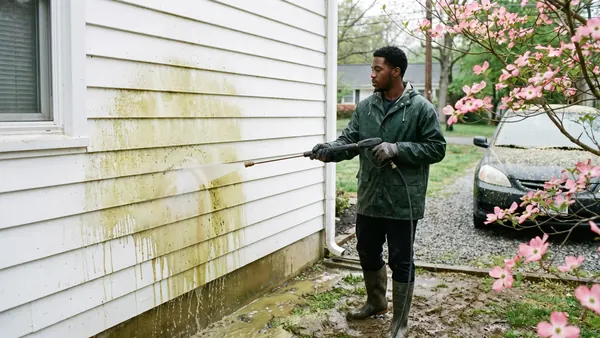
Mildew, pollen film and chalking are washed off with a low-pressure rinse and a cleaner. High pressure drives water behind siding, so we avoid it on wood. The house then needs to dry fully, often a day or more in summer humidity.
- 3
Scrape, sand and spot-prime
Loose and peeling paint is scraped back to a sound edge and feathered by sanding. Bare wood and patched areas get an exterior primer. On older homes, lead-safe work practices apply to paint disturbed before 1978.
- 4
Caulk and repair
Gaps at trim, corners and window and door casings are caulked with a paintable exterior sealant. Nail holes and splits are filled. We do not caulk the bottom of lap siding, which has to breathe.
- 5
Paint in the right weather
Two coats go on, brushed and rolled or sprayed and back-rolled, with trim last. We watch the forecast and the sun. Painting in direct heat makes paint dry too fast, and painting before the dew burns off or ahead of rain ruins the film.
- 6
Final walkthrough and cleanup
We check for holidays, drips and missed spots, remove masking, and clean the yard and driveway of debris. Plants and shrubs that were covered are uncovered.
What moves the price
We will not quote Vinings blind over the phone — these are the things we look at on site that decide the number.
- Size and height of the house. Two-story homes and steep gables need ladders or lifts and take more labor.
- Siding material: wood, fiber cement, brick, vinyl and stucco each need different prep and paint.
- Rot repair. Replacing trim boards and fascia adds carpentry before any painting happens.
- Condition of the existing paint. Heavy peeling or many layers means more scraping and sanding.
- How much gets painted: body only, or trim, soffits, shutters, doors, garage door and railings too.
- Access issues such as dense landscaping, slopes or close neighbors that affect staging and masking.
From a exterior painting customer
“Great painting, wood trimming, and gutters repair for a good price.”
Painting, trim and gutter repair
Want a real number for your Vinings exterior painting job?
The only way to price it honestly is to see it. We come out, walk the job and put it in writing — free, and with no obligation to book.
Call and we answer 24/7. Forms sent during the day get a call back the same day.
Exterior Painting in Vinings — questions we get asked
- What time of year is best to paint a house exterior in Georgia?
- Spring and fall, when it is mild and dry. Summer works too if we paint the shaded sides in the afternoon and the sunny sides early, but heat shortens drying time and storms interrupt. Pollen season in spring can dust wet paint, so we wash and schedule around the worst days.
- How long does exterior painting take?
- A typical house takes several days to over a week, counting washing, drying time, repair and two coats. Weather can add days. We tell you plainly when rain pushes the schedule.
- Will painting disrupt my day?
- Some. There are ladders, noise from scraping and sometimes spraying, and we may ask you to park elsewhere or keep windows shut. We do not need you to leave the house, and we keep people and pets away from wet areas.
- How long will the paint last?
- It depends on prep, the surface and how much sun that side of the house gets. South and west walls wear fastest. Good prep matters more than the brand of paint.
- Do you fix rotted wood before painting?
- Yes. We replace or repair rotted trim and fascia first, and we point out hidden damage we find so you can decide. Rot that keeps getting wet will fail again unless the water source is fixed.
Planning exterior painting? Start here
- Which exterior colors actually read modern? Modern exterior color is less about a bold choice and more about restraint, contrast, and working with the roof, brick and light you already have.
- Why book exterior painting early in metro Atlanta The good-weather weeks are a narrow window here, so they book up first. Here is what reserving early gets you, and when there is genuinely no rush.
- Does a painting project need a general contractor? Most painting does not need a general contractor. The cases that do are the ones where paint is only one of several trades, and the order they happen in matters.
More in Vinings
Cobb County housing, neighborhoods and what we do there.
Painting & remodeling in Vinings →Other work in Vinings
- Interior Painting in Vinings
- Cabinet Painting & Refinishing in Vinings
- Deck & Fence Staining in Vinings
- Commercial Painting in Vinings
- Drywall Repair & Patching in Vinings
- Kitchen Remodeling in Vinings
- Bathroom Remodeling in Vinings
- Basement Finishing in Vinings
- Deck & Porch Building in Vinings
- Siding Replacement in Vinings
- Flooring Installation in Vinings
Prefer to talk it through? Dan picks up.
(470) 419-0922