
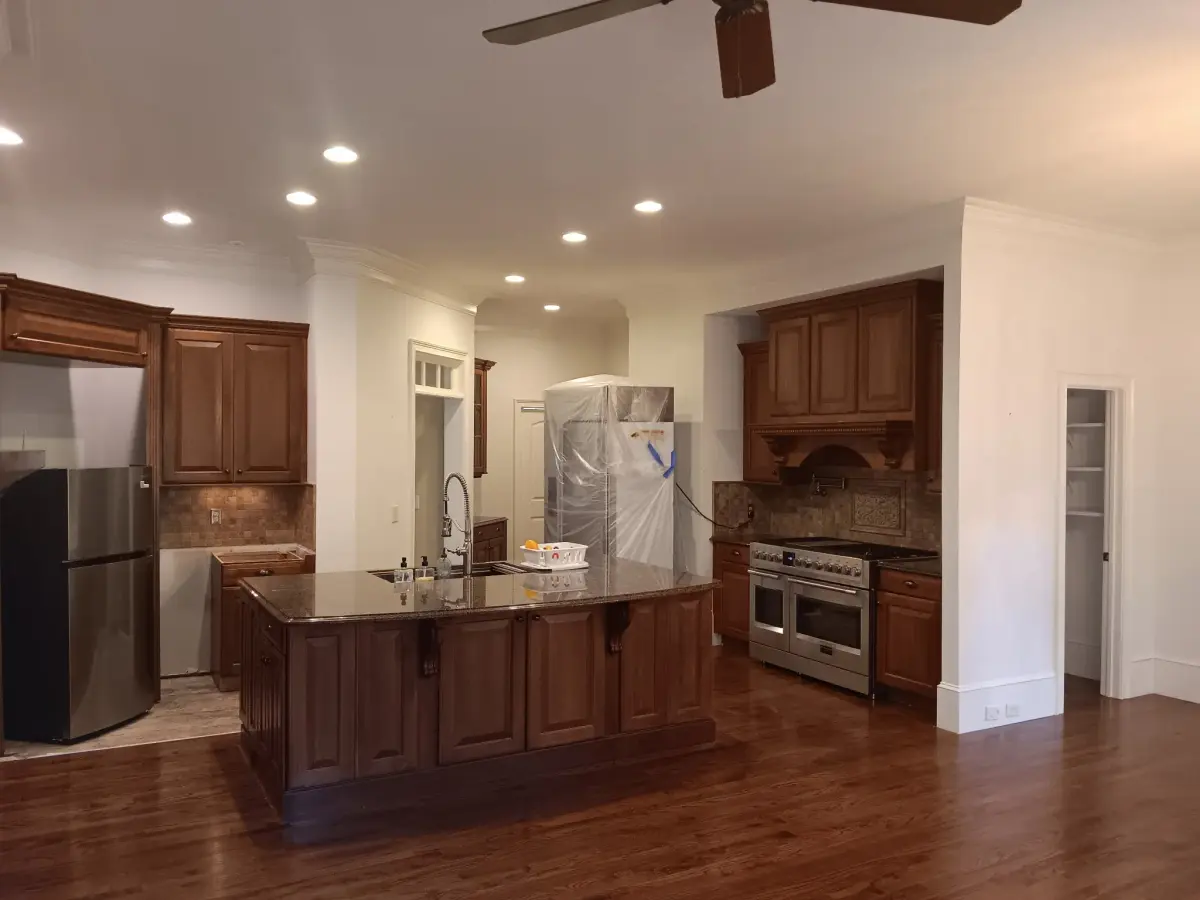
Flooring Installation in Alpharetta, GA
Many Alpharetta homes from the 1980s and 90s have site-finished oak in the foyer and dining room, so a new main-level floor either ties into that oak or replaces it. Long stair runs in the two-story houses are usually the most detailed part of the job. Finishing a daylight basement calls for luxury vinyl plank or tile over a tested slab, and upstairs subfloors get screwed down first. Tell us your plans.
Fulton County · Alpharetta, GA
Flooring Installation for Alpharetta homes
The bulk of Alpharetta's houses went up between the early 1980s and the early 2000s. Windward, the Mobil-developed lake community that began selling in 1983, is the clearest example: 44 neighborhoods in a variety of styles around Lake Windward, many on sloped lots with full daylight basements, some still unfinished and stubbed for a bath. Fronts tend to be brick or stone, with hardboard, cedar or early fiber-cement lap on the sides and rear, and some later homes in the area were clad in synthetic or three-coat stucco. Older still is Alpharetta Estates, built roughly 1972 to 1982 on large wooded lots near downtown, where the ranches carry four or five decades of wear. Downtown keeps a handful of nineteenth- and early twentieth-century homes, from Greek Revival to the 1912 Queen Anne Mansell House, with clapboard and old plaster. The newest stock is the townhome and condo infill around Avalon and City Center, where the work is mostly interior: paint, flooring and finish upgrades.
Areas we work in Alpharetta
- Windward
- The Spinnakers at Windward
- Alpharetta Estates
- Downtown Alpharetta
- Avalon
Near Avalon, Wills Park, Big Creek Greenway and across the rest of Alpharetta.
Recent flooring installation work
Flooring Installation on Alpharetta houses
Flooring jobs in Alpharetta usually mean pulling out what the 1980s and 90s builders put down: wall-to-wall carpet upstairs and in the family room, vinyl or builder tile in the kitchen and baths, and site-finished oak in the foyer and dining room. Owners often want one continuous floor across the main level, which means tying new flooring into the existing oak or replacing it all. Two-story houses here have long stair runs, and doing the stairs to match is often the most detailed part of the job. Daylight basements being finished need a floor that can handle a concrete slab, usually luxury vinyl plank or tile rather than solid wood.
What usually gets missed
Concrete slabs and old subfloors both cause trouble. A basement slab can look dry and still push moisture through, which cups wood and lifts glue-down planks, so we test the slab before choosing a product. Upstairs, a 1990s subfloor often has squeaks and low spots that show through a new hard floor, so we check it for flatness and screw it down before any install. Where new meets the old foyer oak, the transition gets planned in advance.
On a Alpharetta job we check
- Test basement slabs for moisture before choosing a floor
- Check upstairs subfloors for flatness and screw down squeaks
- Plan how new flooring meets the existing foyer and dining room oak
What the job actually involves
A floor is only as good as what it sits on. Most of a flooring job is the part you never see — checking the subfloor for flatness, moisture and movement, and fixing it — because that is what decides whether the finished floor stays flat, quiet and tight instead of cupping, gapping or squeaking in a year or two.
We install laminate, luxury vinyl plank, engineered and solid hardwood, and tile, matched to the room: vinyl or tile over slabs, basements and wet areas, hardwood in conditioned living space, with the underlayment and transitions the material calls for. We do not pair a good floor with the thinnest underlayment to shave the quote, because that is where noise and early wear come from.
How we run a flooring installation job in Alpharetta
- 1
Pull back a corner and see what is really there
Before anything is ordered we lift a corner of the existing carpet or flooring to see the subfloor, the height against the next room, and whether the house is on a slab or a crawlspace. What is under the floor, not the sample in the showroom, decides what can go down and what prep it needs.
- 2
Test for moisture and check the subfloor
Slabs and crawlspace subfloors are checked for moisture before any wood or vinyl is committed, because flooring laid over a wet base fails no matter how well it is installed. We also check the subfloor for flatness and for loose, soft or squeaking spots, and note the height difference into every adjoining room.
- 3
Fix and flatten the subfloor
High and low spots are ground down or filled with leveling compound, loose panels are refastened to the joists, and soft or water-damaged decking is cut out and replaced. On a crawlspace house a ground vapor barrier is part of keeping the new floor dry. This step is skipped on cheap jobs and is the reason they fail.
- 4
Acclimate the material
Wood and some vinyl are brought into the actual rooms and left to reach the home humidity before a board goes down. In a Georgia summer that matters: material installed straight off the truck swells or shrinks to the room later and opens gaps or buckles. We measure it rather than guess.
- 5
Lay the floor and handle transitions
The floor goes down by the method the material calls for — nail, glue, or floating click — with the right underlayment under it. Thresholds and transitions into tile, other rooms and stair nosings are cut so there is no trip edge, and doors are undercut so they still swing.
- 6
Trim, clean and walk it
Shoe molding or base is set to cover the expansion gap, seams and transitions are checked, and the floor is cleaned. We walk it with you in good light, looking for lifted edges, hollow spots and anything that catches, and work a punch list before it is closed out.
What moves the price
We will not quote Alpharetta blind over the phone — these are the things we look at on site that decide the number.
- What is under the existing floor. Carpet over sound plywood pulls up easily; tile or glued vinyl, or a bad subfloor found underneath, adds removal and prep that a showroom quote never includes.
- Material class. Laminate and vinyl plank sit at the low end, engineered hardwood and tile in the middle, and solid site-finished hardwood or natural stone at the top.
- Subfloor repair and leveling. Grinding high spots, filling low ones, replacing soft decking, or adding a crawlspace vapor barrier is priced once the old floor is up.
- Slab versus crawlspace. A slab limits solid hardwood and may need moisture control; a crawlspace can need subfloor and vapor work before new flooring goes down.
- Square footage, and how cut-up the space is. Closets, angles, stairs and lots of doorways slow a job and add transitions and waste.
- Stairs, patterns and transitions. Stair treads, diagonal or herringbone tile, and tying several finishes together at thresholds all add labor over a plain straight-lay field.
From a flooring installation customer
“We’ve been working with WS Painting and Remodeling after two leaks in our home, and they’ve been fantastic. … The quality of their work has been outstanding and made a stressful situation much easier.”
Leak repairs
Want a real number for your Alpharetta flooring installation job?
The only way to price it honestly is to see it. We come out, walk the job and put it in writing — free, and with no obligation to book.
Call and we answer 24/7. Forms sent during the day get a call back the same day.
Flooring Installation in Alpharetta — questions we get asked
- What is the most important part of a flooring job?
- The subfloor. A floor fails from underneath — a lump telegraphs through vinyl, a low spot leaves a hollow that cracks tile grout, and a wet slab buckles wood. We spend real time flattening, drying and securing what is under the floor, because the finish only lasts if the base is right.
- Should I replace my old hardwood or refinish it?
- If the existing wood is solid and thick enough to sand, refinishing almost always costs less and lasts longer than covering it with new flooring. We check the boards before you spend money replacing something that only needs sanding and a new finish. Covering good hardwood with vinyl is usually the wrong call.
- Can I put hardwood on a concrete slab?
- Engineered hardwood can go over a slab once it passes a moisture test, because its layered construction handles the moisture concrete gives off. Solid hardwood cannot be fastened to concrete directly; it needs a wood subfloor or sleepers built over the slab first, which raises the floor and adds cost. On a slab, engineered or vinyl is usually the better call.
- Which floor holds up best in Georgia humidity?
- Vinyl plank and tile do not care about humidity and are the safe choice over slabs, in basements and in wet areas. Engineered hardwood is stable enough for most of the house. Solid hardwood is fine in conditioned rooms over a wood subfloor but moves the most with the seasons, so it needs the acclimation and gaps done right.
- How long does new flooring take?
- A single room is often a day or two. A main level is usually several days, more if the old floor fights coming up, the subfloor needs repair, or wood has to acclimate first. Tile adds time for mortar and grout to cure. We give you a schedule after we see what is under the existing floor.
Planning flooring installation? Start here
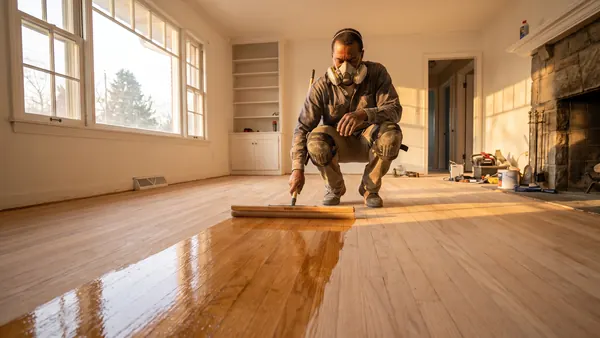
- The greenest hardwood floor is the one already in your house Refinishing usually beats replacing: how many times a floor can be sanded, when it is genuinely done, and what sustainable really means in wood.
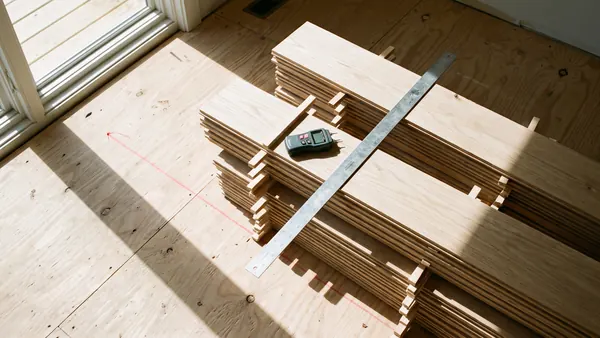
- Before you install hardwood: it is decided under the floor The wood you pick matters less than what is under it: flatness, moisture, and letting the boards acclimate before they are fastened down.
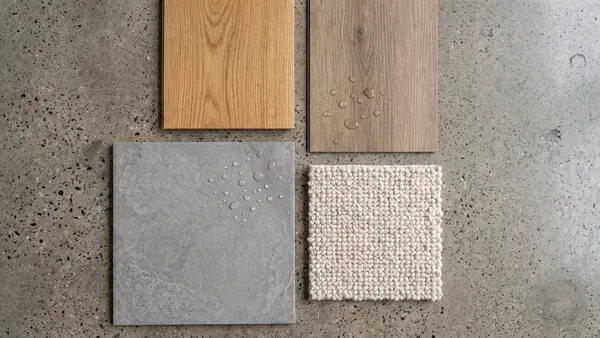
- The best flooring depends on one thing: the room No material wins every room. The deciding factor is moisture — what is under the room and what gets it wet.
More in Alpharetta
Fulton County housing, neighborhoods and what we do there.
Painting & remodeling in Alpharetta →Other work in Alpharetta
- Interior Painting in Alpharetta
- Exterior Painting in Alpharetta
- Cabinet Painting & Refinishing in Alpharetta
- Deck & Fence Staining in Alpharetta
- Commercial Painting in Alpharetta
- Drywall Repair & Patching in Alpharetta
- Kitchen Remodeling in Alpharetta
- Bathroom Remodeling in Alpharetta
- Basement Finishing in Alpharetta
- Deck & Porch Building in Alpharetta
- Siding Replacement in Alpharetta
Prefer to talk it through? Dan picks up.
(470) 419-0922